




- Main Number
(855) 667-3655 - Emergencies
(800) 453-2530 - Crossing gates, signals & rough crossings
(800) 453-2530 - Environmental Spills
(800) 453-2530
Part 2: Former college athletes bring a winning mindset to their NS jobs
Mar 30, 2026
As March Madness captures the nation’s attention with buzzer-beaters, brackets and high-stakes competition, the spirit of athletics is front and center. But for many NS employees, the lessons learned on courts, fields and tracks didn’t end with their final whistle. Former athletes across the company say the discipline, teamwork and resilience they developed in sports laid the foundation for successful careers on the railroad—where performance, preparation and trust matter every day.
From staying focused under pressure to communicating clearly with teammates, the skills honed through athletics translate naturally to railroad operations, leadership roles and problem-solving on the job. This March, we’re spotlighting NS employees who made the transition from athlete to railroader, sharing how competition shaped their work ethic and how the mindset of the game continues to guide them as they help keep freight—and communities—moving safely and reliably.
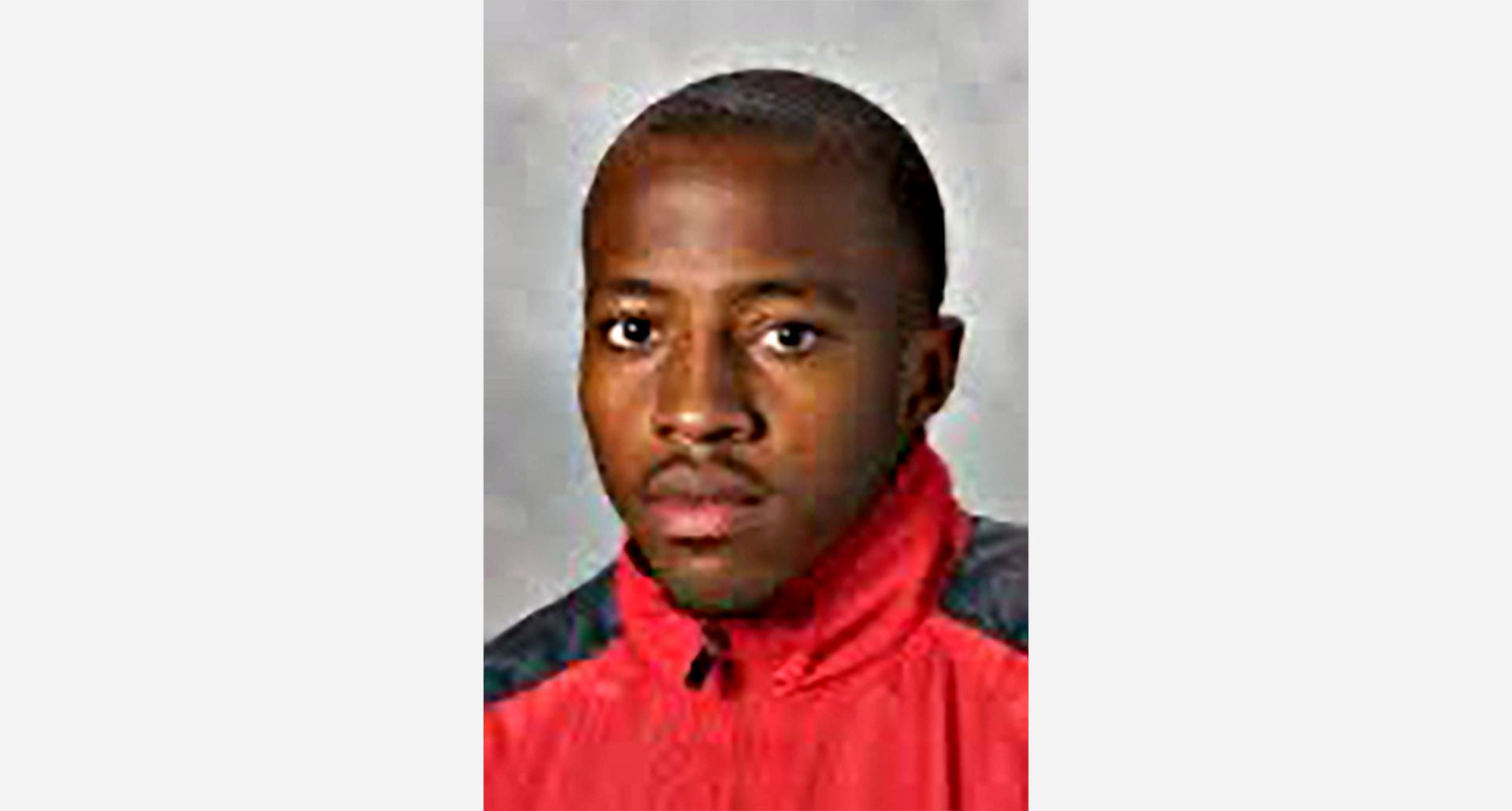
Colby Gardner
General Manager Operations (Transportation)
Chicago, IL
Years with NS: 17
What sport did you play?
Track, Sprinter 100m and 200'
Where did you play (college/university), and during what years?
University of Georgia: 2004-2005
How did you first get into your sport — and what kept you in it?
I didn't run track until my senior year in HS. My football coach encouraged me to run because of my speed on the football field.
Which skills from athletics show up most in your job today?
Discpline. In track and railroading, you have to put the work in up front to be successful at a future point. Consistent execution over time and under pressure primes you to be successful and maintain focus on the tasks and goals at hand.
How does your sports background influence how you collaborate across teams?
In relay events, it's not about individual success but trust in teammates, clear communication, precise handoffs, and accountability to win. The same holds true today in my collaboration across departments.
What’s a piece of feedback you received as an athlete that still guides you?
"You won't win every race but if you run your race for the right reasons, the right way, you will win."
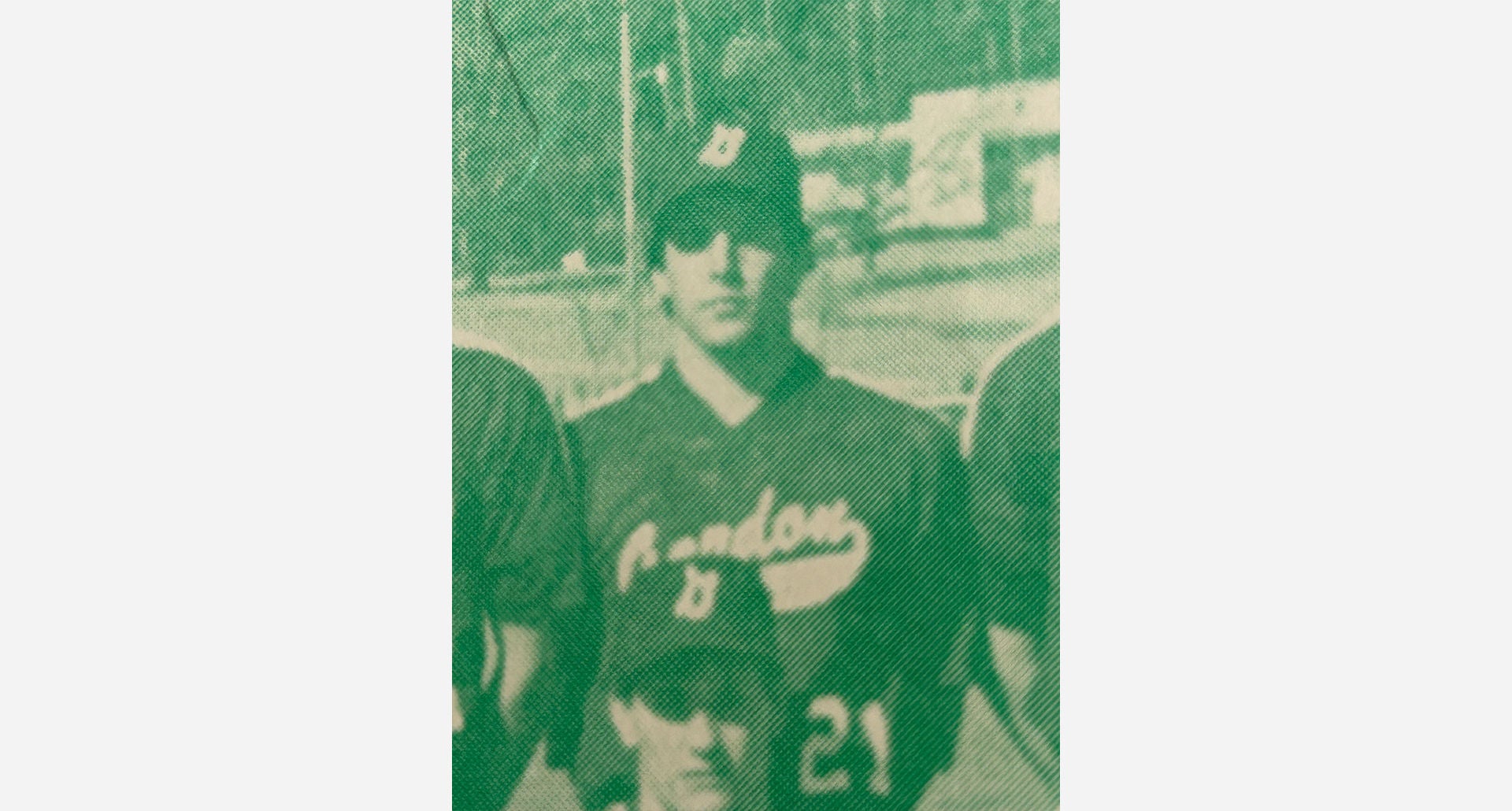
Will Harden
Assistant Vice President of Legal Claims (Law)
Atlanta, GA
Years with NS: 35
What sport did you play?
Baseball and specifically, played catcher position.
Where did you play (college/university), and during what years?
Gordon College, Barnesville, GA; 1985-1987
How did you first get into your sport — and what kept you in it?
I started playing T-ball at eight years old and that progressed to baseball at age nine. I was always a catcher, and I liked the teamwork between me and the pitcher to strike out the other teams’ batters. As a catcher, you also had to convince the umpire to call balls and strikes to your advantage.
Which skills from athletics show up most in your job today?
Definitely teamwork and communication. As a catcher you were taking orders from the coach that you had to convey to your pitcher, you had the home plate umpire to deal with, you were closest to the opposing fans who were always in your ear, and then you had to deal with the physical demands of catching.
How does your sports background influence how you collaborate across teams?
Sports taught me to bring multiple positions together to work towards one goal. Whether it’s reminding the infield how many outs are left in an inning or conversing with NS employees on a safety walkabout, the approach is the same: we are all one team, so let’s work together to win.
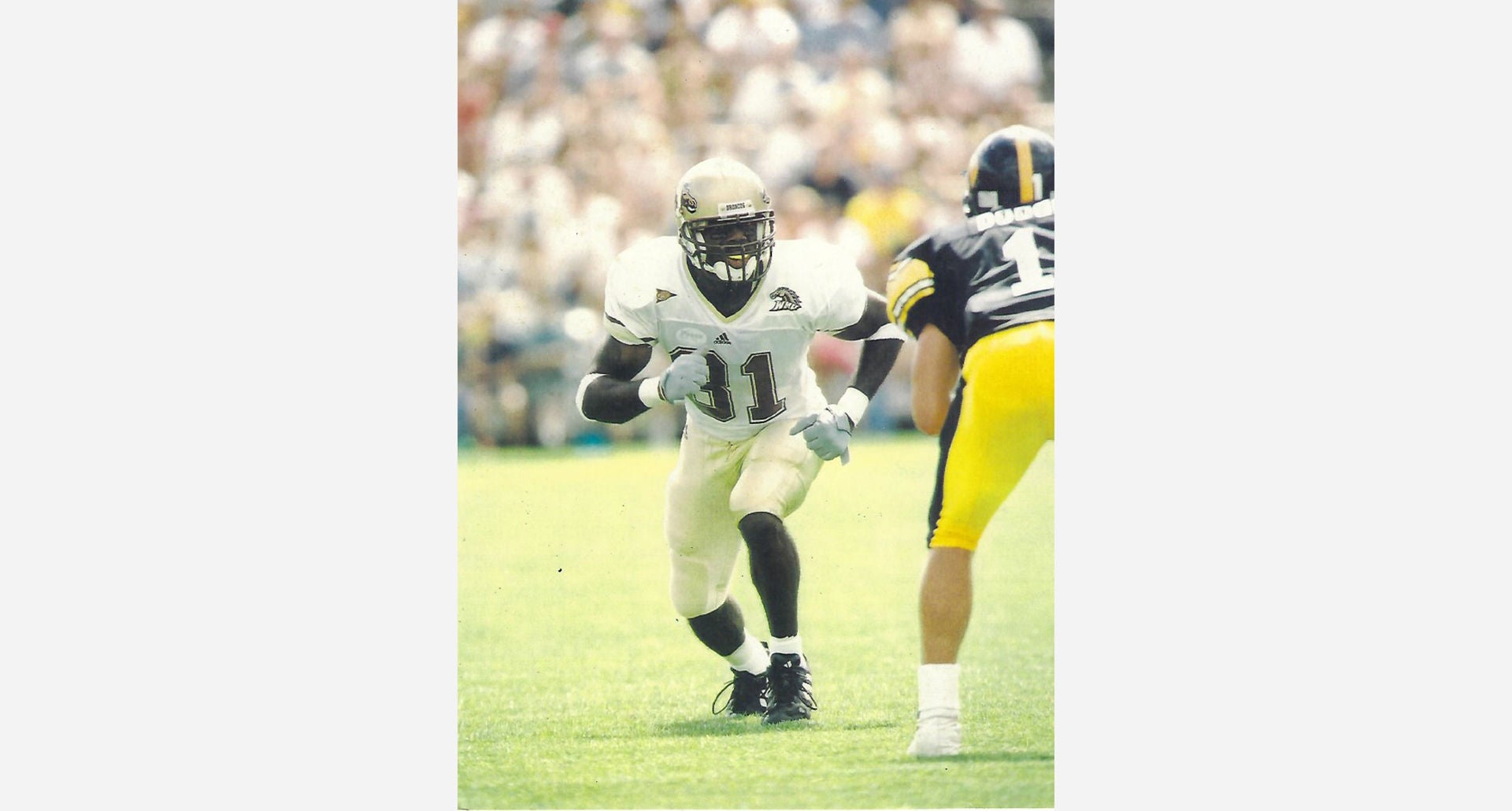
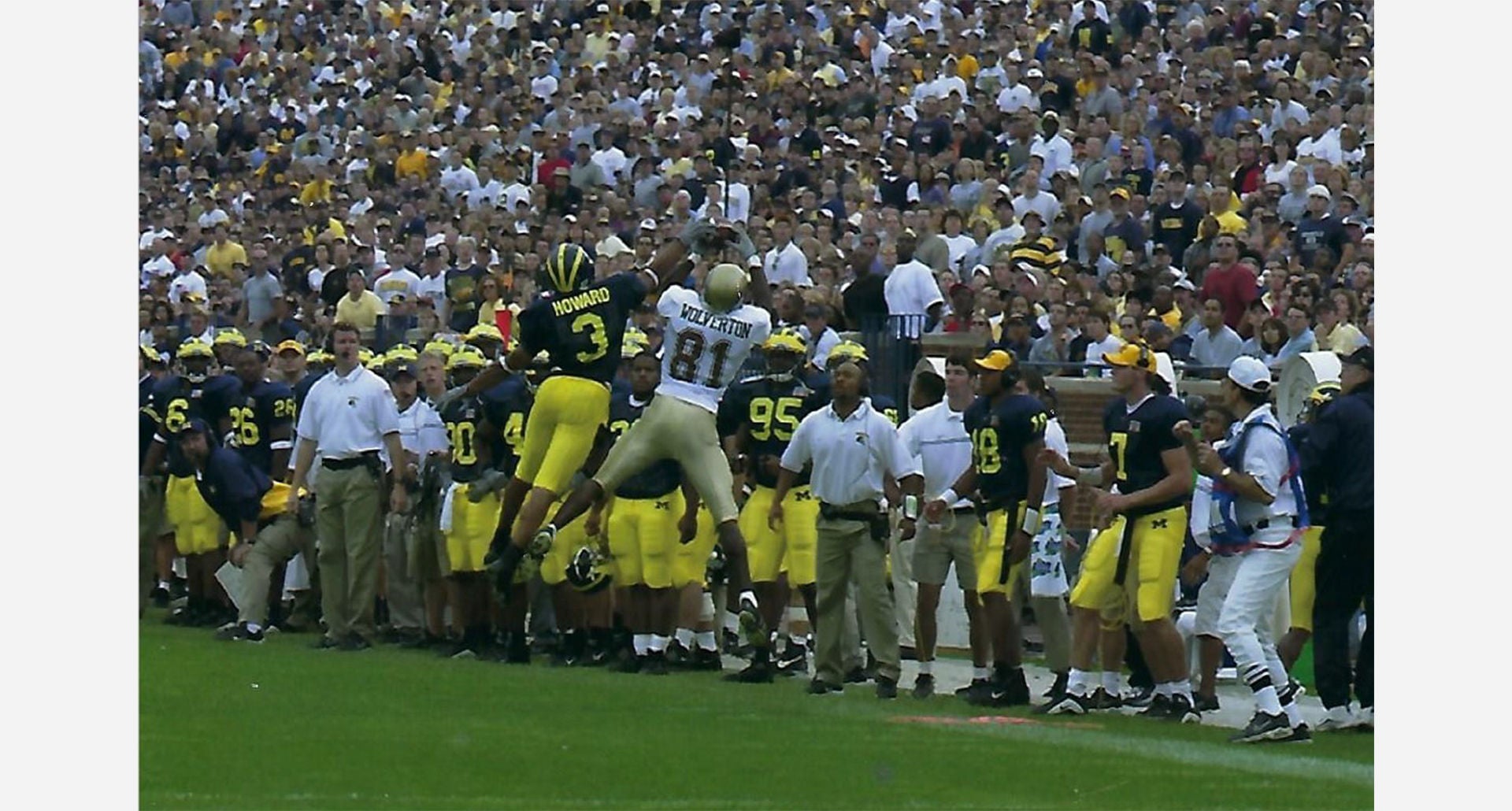
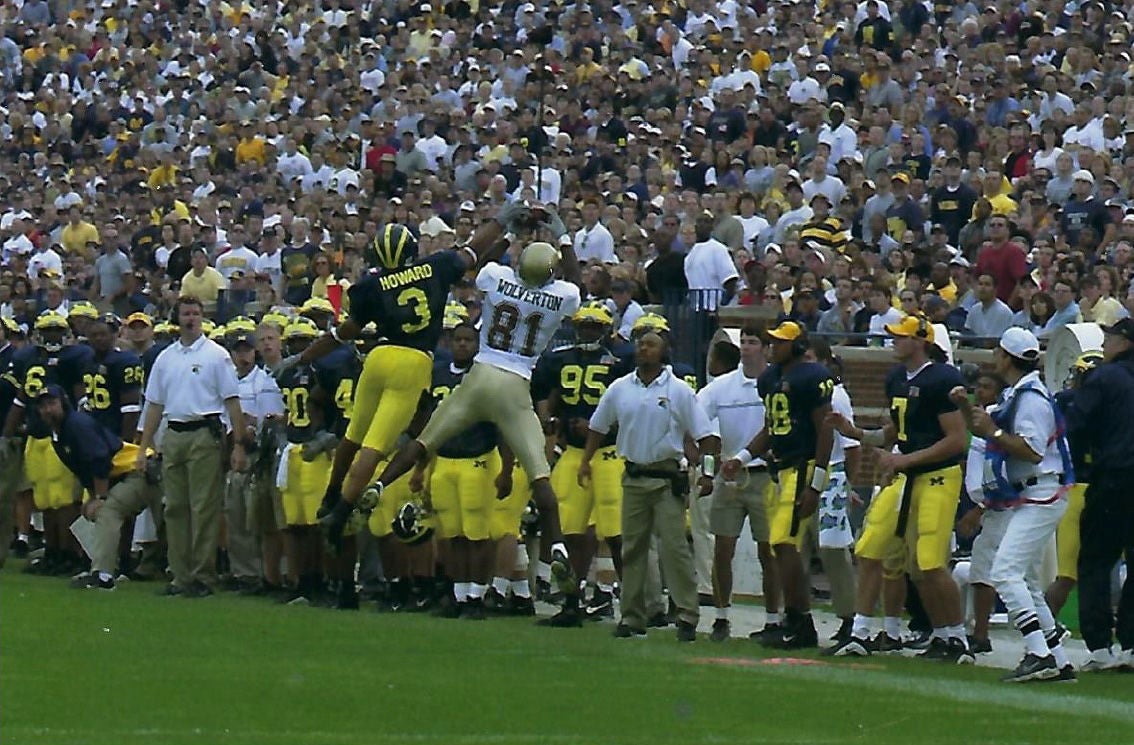
Marco Anthony Wolverton
Assistant Manager Railway Investigations (Legal Claims)
McDonough, GA
Years with NS: 2
What sport did you play?
Football – Wide Receiver, Track - Sprinter
Where did you play (college/university), and during what years?
Western Michigan University, 1998-2001
How did you first get into your sport — and what kept you in it?
My parents put me into sports (basketball, football, soccer, and track and field) at a young age, but I always had a desire to play since I did not like being in the house. When I was growing up, we just played sports every day after school and in the summertime from sunup to sundown. I kept playing because it was fun, created friendships, a family tradition/legacy, and I was pretty good.
Which skills from athletics show up most in your job today?
I am not sure if there is one that shows up more than the other. I think overall athletics provides a different mindset in general where you can or have to switch/adapt to the situation you are in. In the rail industry change is constant and can be instantaneous, so I feel my skills that I have acquired help me often.
How does your sports background influence how you collaborate across teams?
By being able to adapt and communicate with individuals from all walks of life and also understanding everyone plays a role (major or minor) in getting to and through the finish line.
What’s a piece of feedback you received as an athlete that still guides you?
We were provided with quotes and sayings all the time that have stuck with me.
“What’s Important Now” – (W.I.N)
“Do your 1/11th!"
“Short term decisions equal long-term consequences”
“It’s who we are, it’s what we do, it’s how we live.”
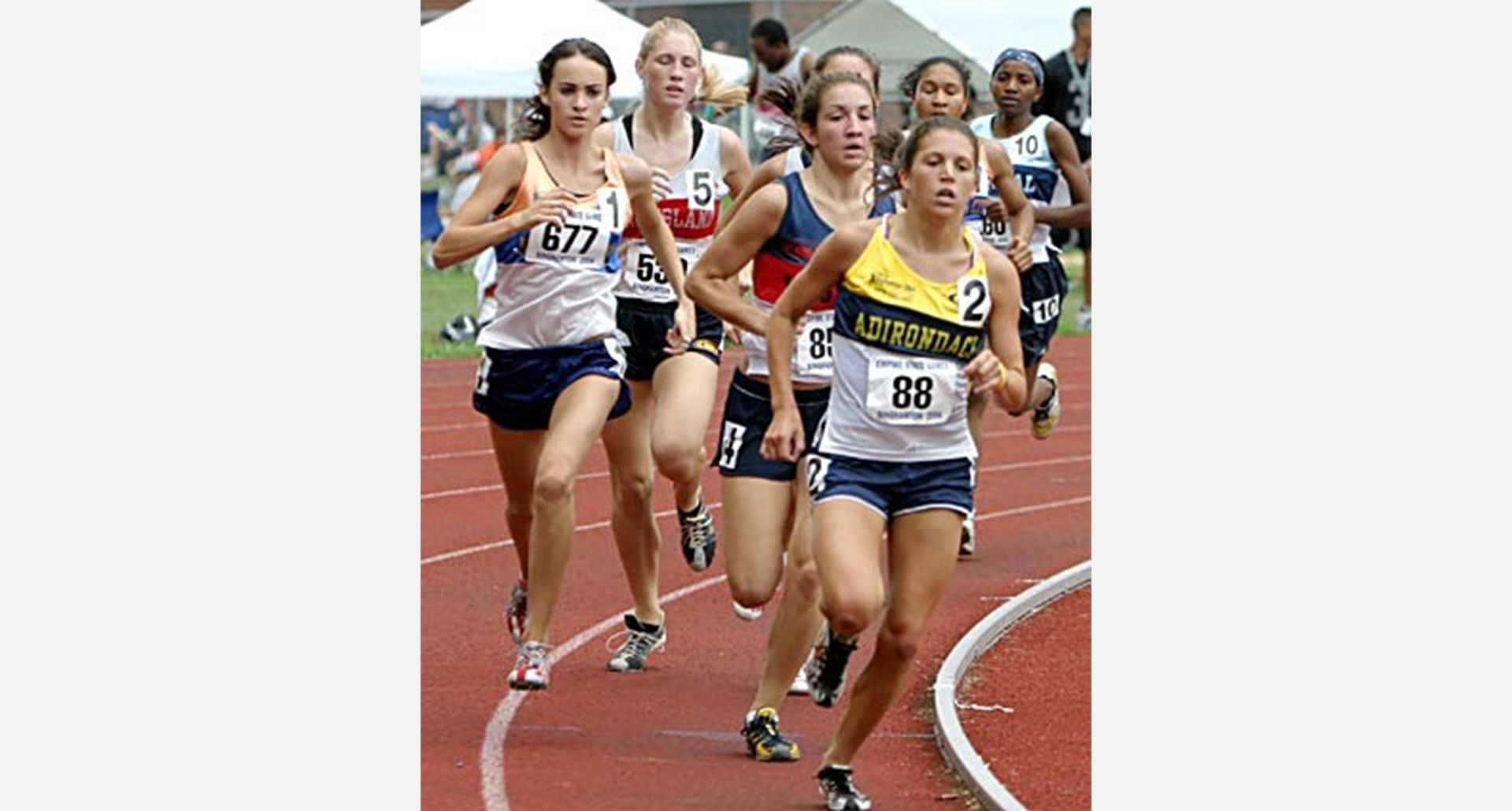
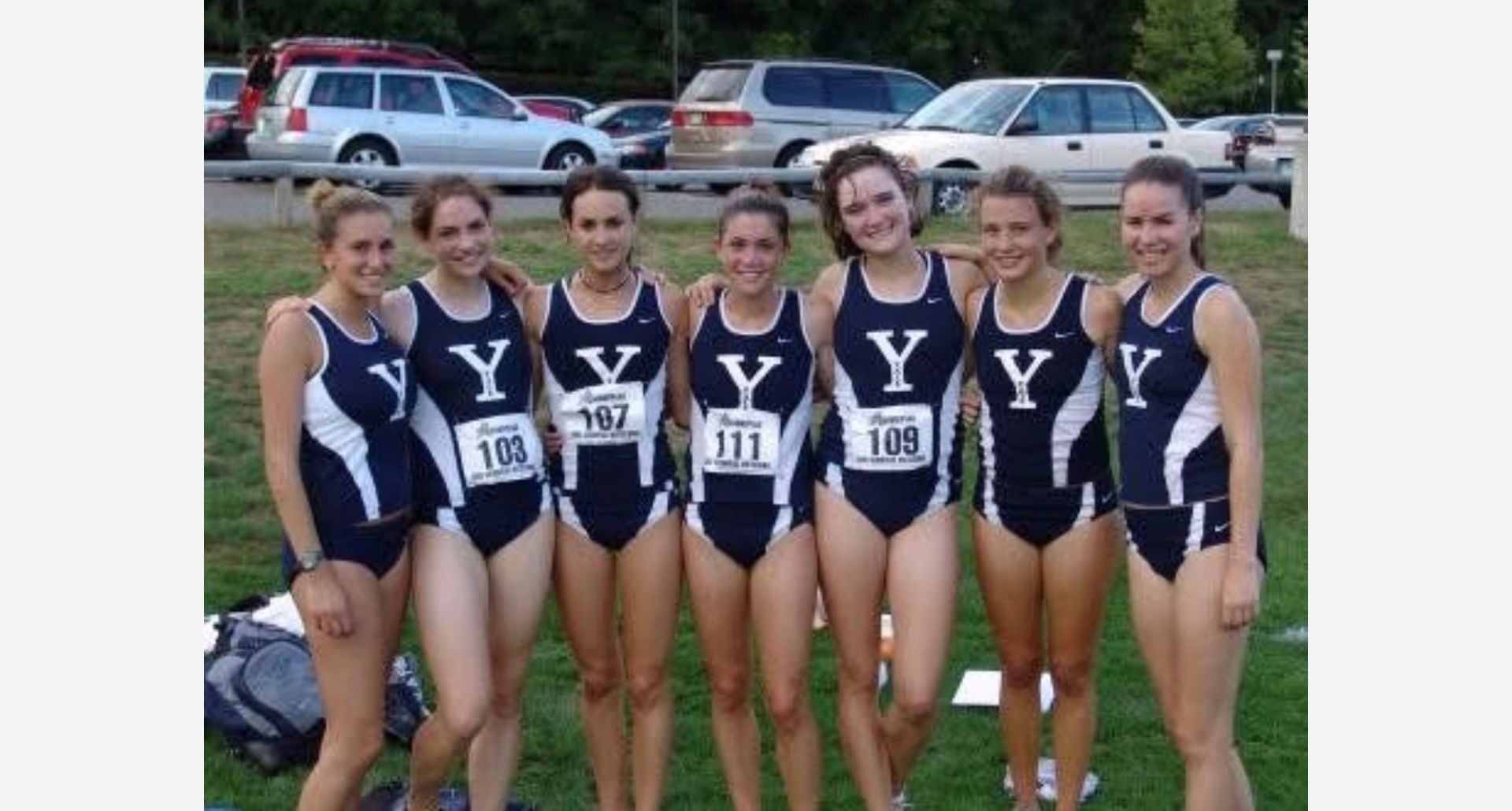
Kristin Wong
Director NS Foundation & Community Impact (Corporate Communications & Community Impact)
Atlanta, GA
Years with NS: 8
What sport did you play?
I ran track and field, specializing in the 800 meters and the mile. My personal bests were 2:11 in the 800 meters and a 5:00 flat mile.
Where did you play (college/university), and during what years?
I competed at Yale University from 2005 to 2008.
How did you first get into your sport — and what kept you in it?
I started running competitively at just eight years old. I grew up in Staten Island, NY, and my family made the commitment to travel to Queens, NY multiple times a week so I could train with the best youth running team in the state, a 90‑minute drive each way. At that age, I was already traveling across the country to compete in races.
Growing up, I was always extremely small and often finished third or fourth, which taught me patience early on. Once I reached high school and physically grew, the wins started to come. What kept me in the sport was the process, showing up every day, trusting the work, and believing that progress would come even when results did not show up immediately.
Which skills from athletics show up most in your job today?
Running taught me discipline and determination above all else. It instilled a deep understanding that hard work pays off, even when progress feels slow or invisible. The commitment to preparation, consistency, and pushing through discomfort continues to guide how I approach leadership, strategy, and long‑term impact in my role today.
How does your sports background influence how you collaborate across teams?
Running shaped how I think about teamwork and collaboration. Even though it’s an individual sport, you rely heavily on coaches and teammates to get better. I bring that same mindset to work by focusing on shared goals, being consistent, and showing up for others. I try to be thoughtful about how different teams work and believe that progress happens when everyone feels supported and aligned.
What’s a piece of feedback you received as an athlete that still guides you?
One lesson that has always stuck with me is to trust the work. For years, I was putting in the effort without seeing immediate results, which taught me patience and resilience. That perspective still guides me today, especially when progress takes time or when the payoff is not immediate.
Suzanne Zenoni
Manager Financial Reporting (Corporate Accounting)
Atlanta, GA
Years with NS: 5
What sport did you play?
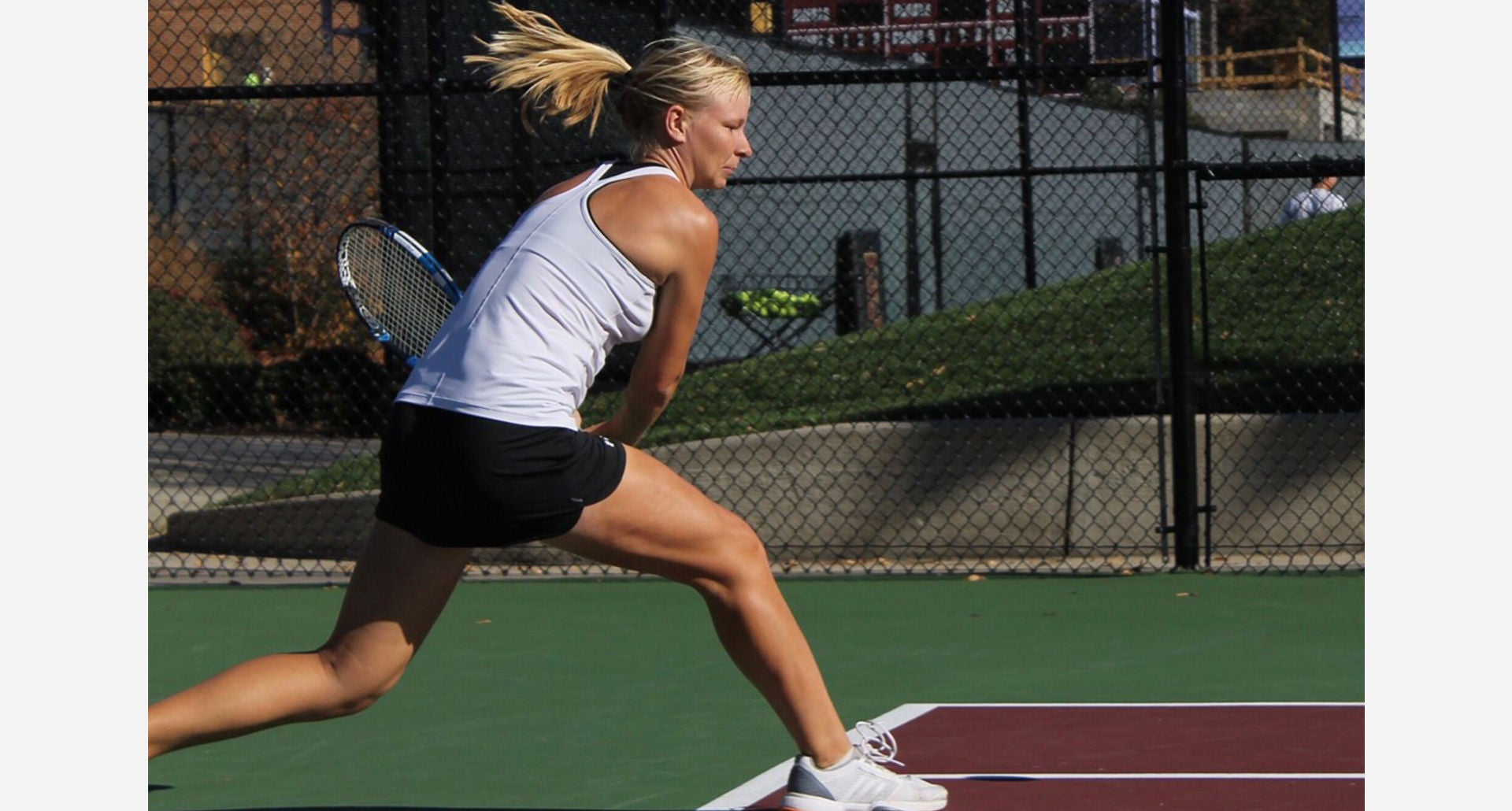
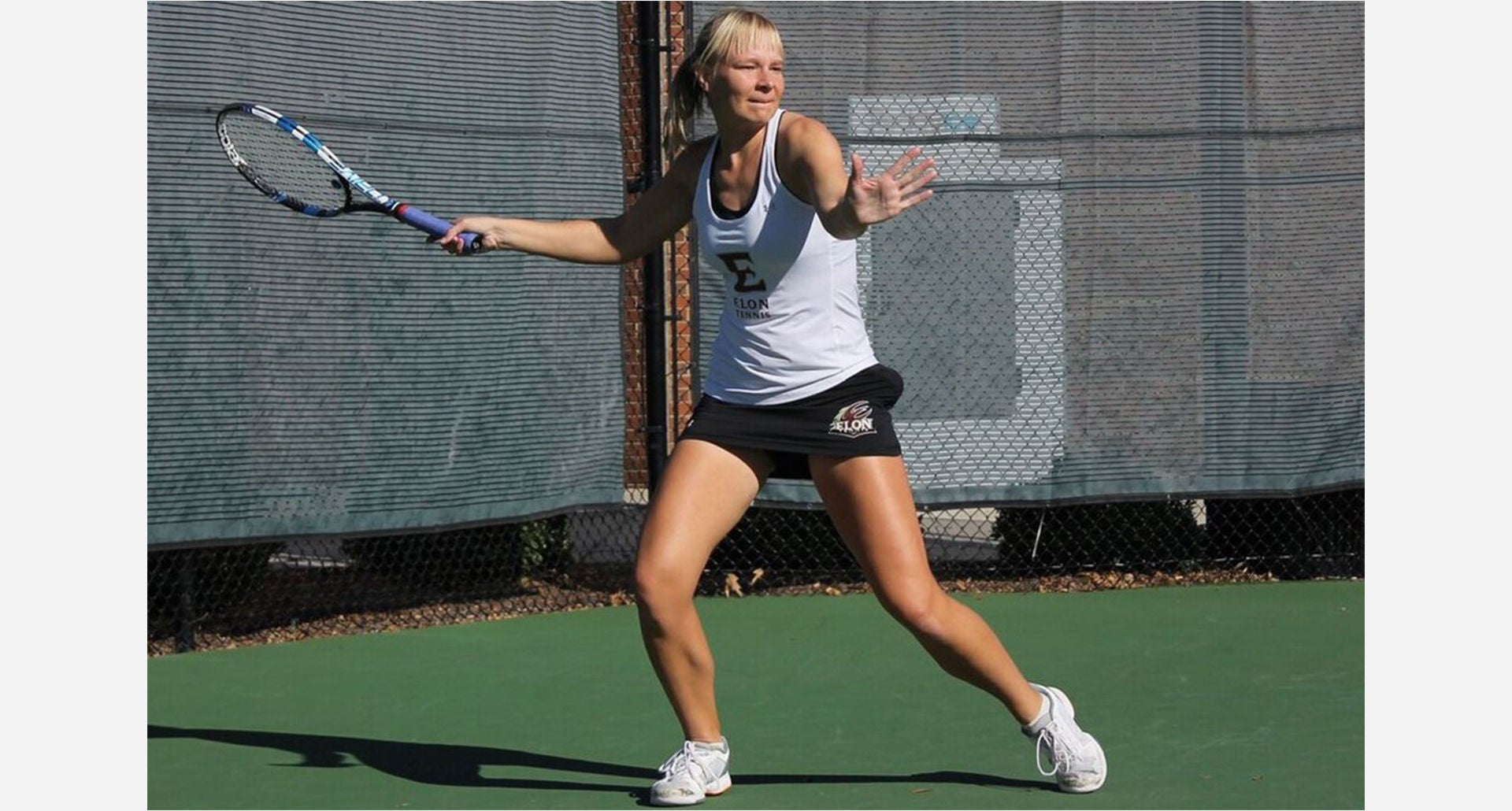
Tennis
Where did you play (college/university), and during what years?
Elon University (2015-2019)
How did you first get into your sport — and what kept you in it?
My dad introduced me to tennis. He was a college basketball coach and thought that tennis would suit me. I think I stayed with it for so long because I love to compete and make myself better.
Which skills from athletics show up most in your job today?
Being coachable is the biggest skill I have taken into my job. In athletics, you quickly learn how to accept positive feedback and constructive criticism. I listen to feedback, analyze it, and then implement changes to improve it.
How does your sports background influence how you collaborate across teams?
My background in sports has made me a more effective communicator. Being in a leadership position on a college team means you must learn how to communicate feedback to a wide variety of personalities while maintaining friendships with them. I use what I’ve learned through college athletics to tailor my communication style to different individuals and achieve positive outcomes for my team.
What’s a piece of feedback you received as an athlete that still guides you?
The best piece of feedback I received was that you have to move on from your mistakes. In tennis, there are 25 seconds between points. My coach told me that after a mistake, I got 3 seconds to be upset about it. Then I had to make a correction and move to the next point. Champions know they will make mistakes, but they use them to learn and improve.
CONTINUE READING
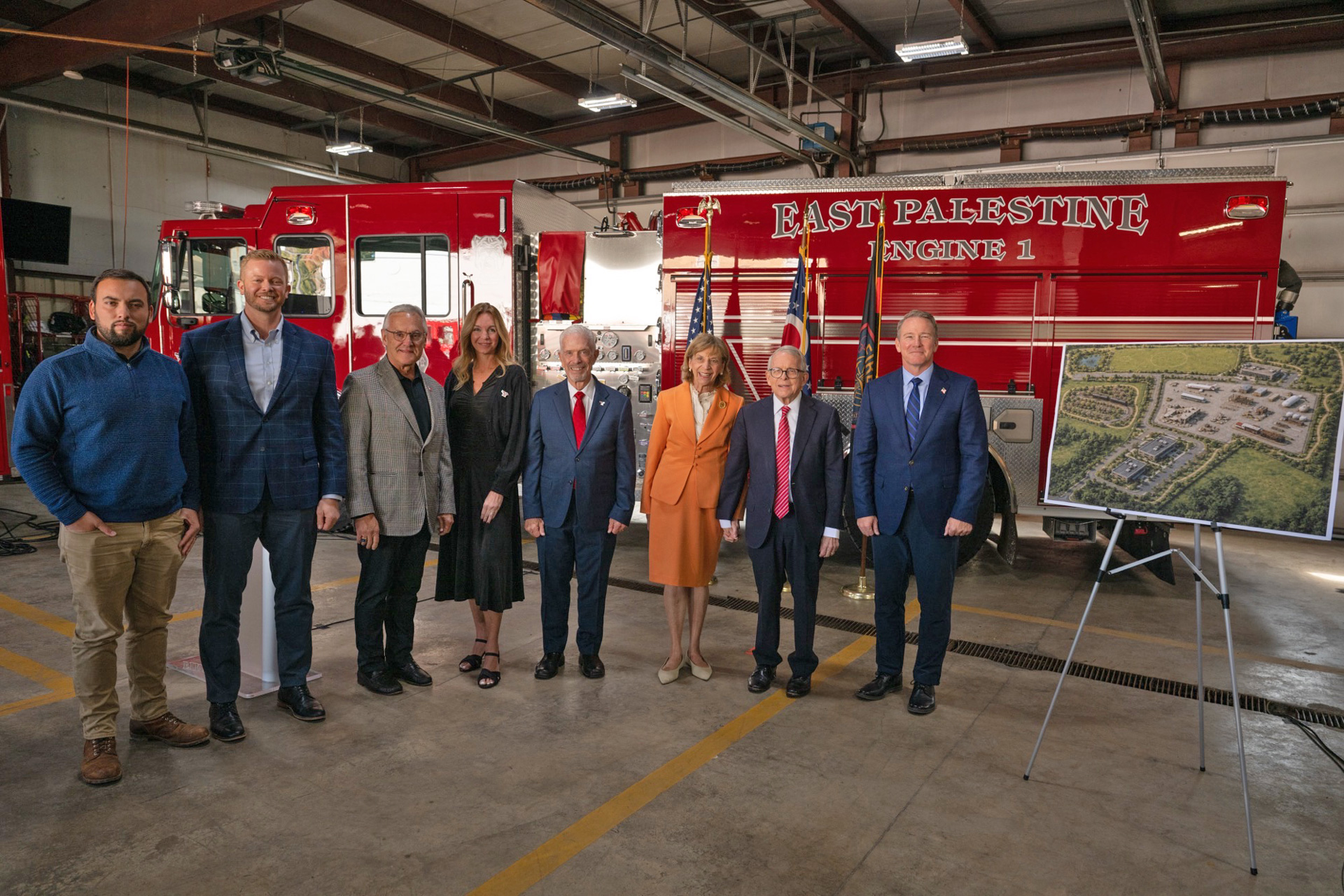
NS, partners mark progress on East Palestine training center
Oct 16, 2026
Norfolk Southern, Youngstown State University and federal, state and local partners in Ohio are advancing a regional resource designed to strengthen emergency preparednes...
How Norfolk Southern helps deliver Halloween, one pumpkin at a time
Oct 14, 2026
When it comes to Halloween spirit, Columbus, Ohio’s own Gus "@Squashcarver" Smithhisler knows how to make it shine — one pumpkin at a time. A self-taught artist...
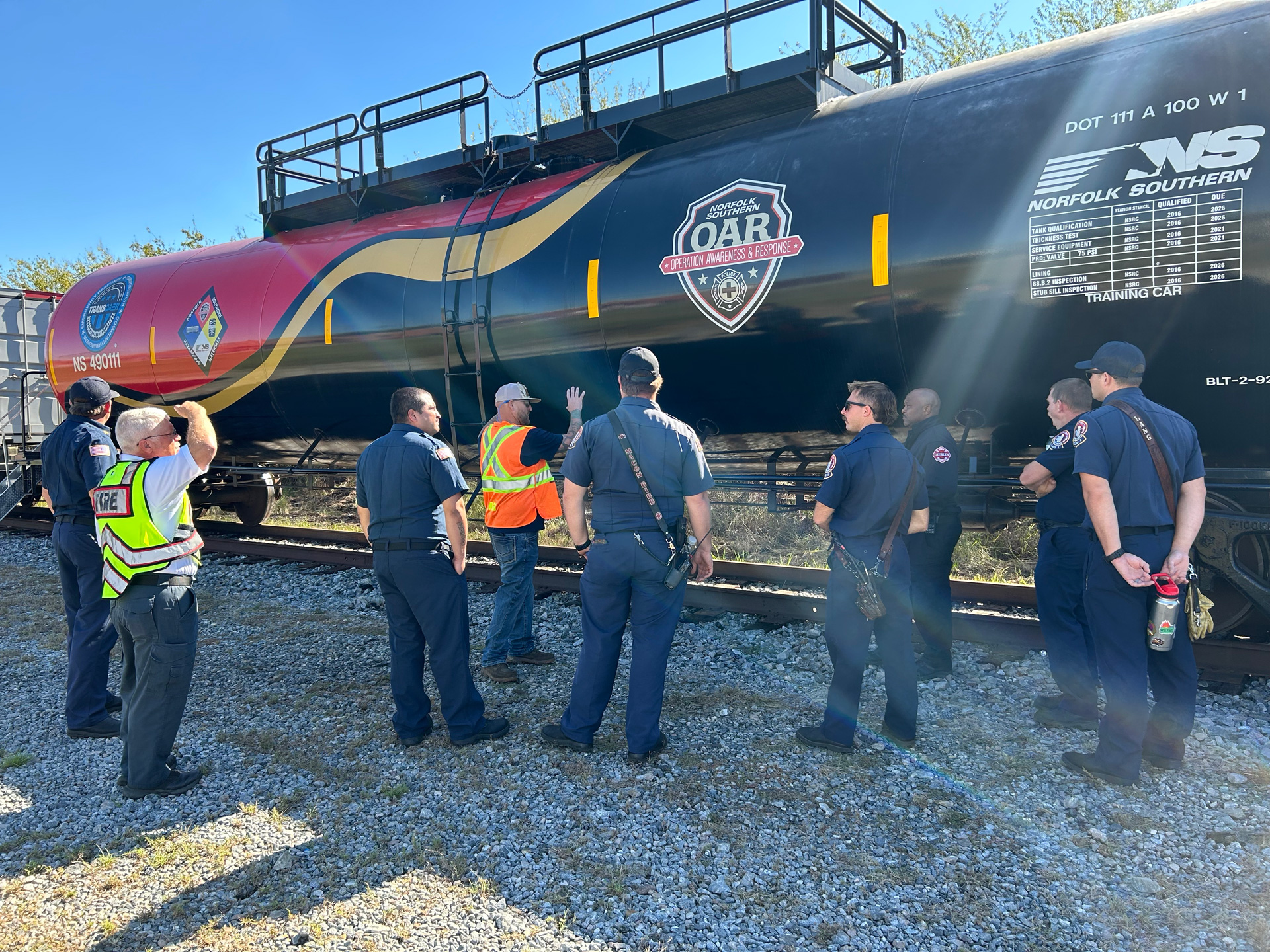
Norfolk Southern Safety Train helps Macon first responders prepare before emergencies happen
Oct 09, 2026
Top Takeaway: Norfolk Southern’s Safety Train in Macon, Georgia, gave local first responders hands-on rail safety training and an up-close look at railroad equipment, hel...
Media Contacts
Are you a member of the media? Contact our media relations team.